reengineering the human body
For centuries, humanity has evolved through natural selection, medical advancements, and technological innovation. However, we are now entering an era where biology and digital technology are merging at an unprecedented pace, a phenomenon known as bio-digital convergence. This shift is not just about improving human health; it is about reengineering the human body itself, blending biological functions with digital enhancements to create augmented, optimised, and even artificially designed human capabilities.
This convergence raises profound questions:
- What does it mean to be human when our bodies can be modified at will?
- Should we embrace augmentation as the next phase of human evolution?
- What are the ethical and social implications of creating enhanced individuals?
- Will this deepen the digital divide, creating a world where only the privileged can access these advancements?
As we stand at the crossroads of human enhancement and artificial evolution, we must examine what is happening in this space, what the future may hold, and whether society is ready for such a fundamental transformation.
What is Bio-Digital Convergence?
In The Next Evolution, Bio-Digital Convergence is the point where biology meets technology and the body becomes programmable. This fusion is driven by five core pillars:
Synthetic Biology: Treating DNA as software that can be edited and updated via tools like CRISPR.
Bio-Integrated Sensors: Seamlessly embedding digital monitors within the body for real-time health data.
Digital Twins: Creating virtual replicas of our biological systems to predict medical outcomes.
Brain-Computer Interfaces (BCIs): Establishing direct communication lines between thoughts and digital systems.
Nanotechnology: Utilizing molecular-scale intervention for precision healing and smart drug delivery.
This convergence transforms health from a reactive process into a proactive design process.
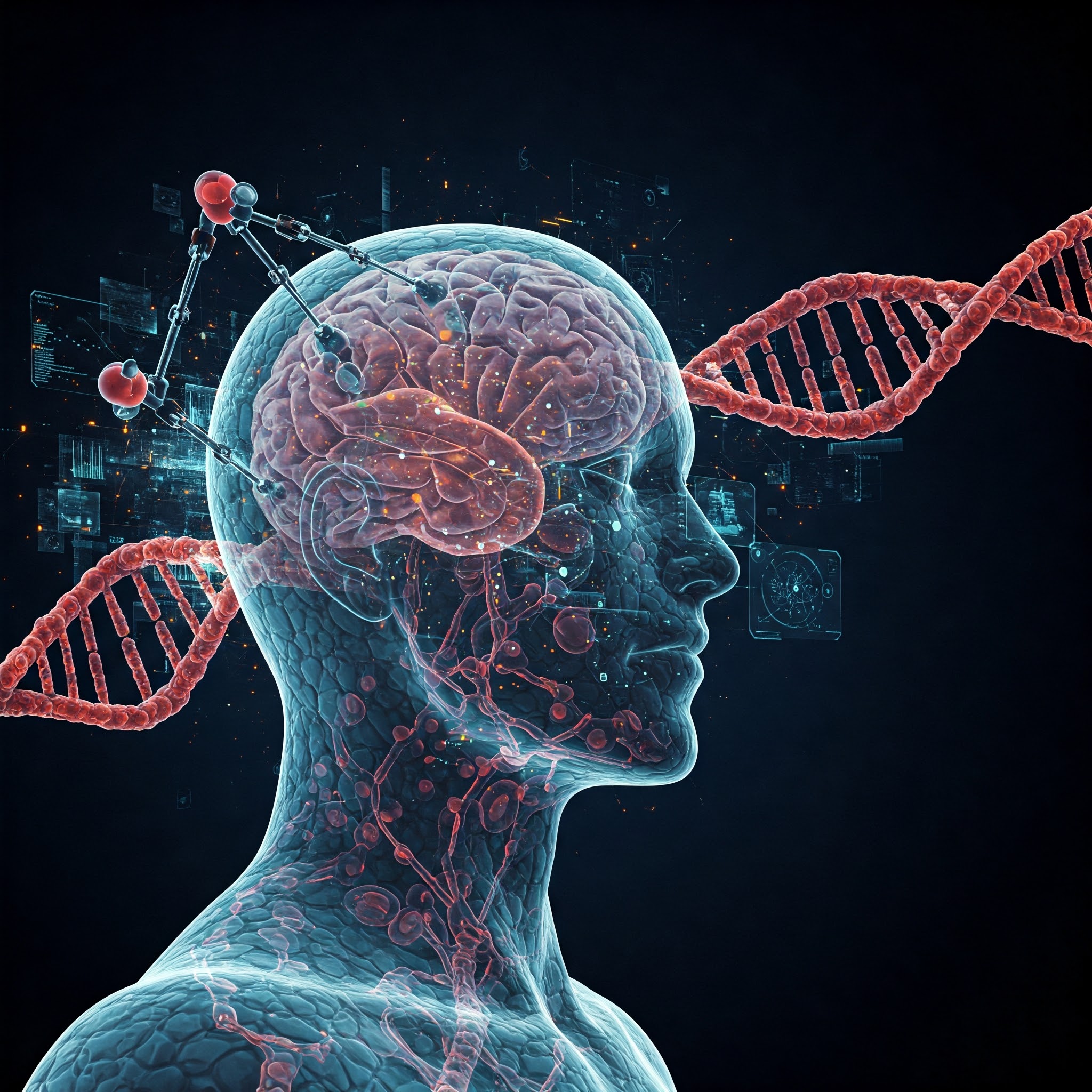 Bio-Digital Convergence: The Fusion of Biological and Digital Technologies
The fusion of biological and digital technologies, bio-digital convergence, represents one of the most profound transformations in human history. It is the point where biology meets technology, where the body becomes programmable, and where the very nature of human existence can be rewritten.
This convergence is not science fiction; it is happening now. From brain-computer interfaces (BCIs) to synthetic biology, from AI-driven gene editing to nanotechnology inside the bloodstream; humanity is stepping into an era where the human body and digital systems will merge in ways previously unimaginable.
Why does this matter? Because bio-digital convergence will not just change healthcare or enhance human abilities, it could redefine what it means to be human.
The Rise of the Programmable Human
Imagine a world where the human body is no longer seen as a fixed biological entity, but as a dynamic system, one that can be decoded, edited, enhanced, and even programmed. This isn’t science fiction. It’s the emerging reality of bio-digital convergence: where biology meets advanced computing, and where the boundaries between organic life and engineered systems begin to blur.
At the heart of this transformation is a growing suite of technologies that enable us to interface directly with the body’s biological systems, rewire its responses, and customise its functions in ways once thought impossible.
Biotechnology and Synthetic Biology: Writing and Rewriting the Code of Life
We are now developing the capability to rewrite genetic instructions with unprecedented precision. Thanks to tools like CRISPR-Cas9 and advanced gene editing techniques, scientists can "cut and paste" sections of DNA as easily as a coder edits lines of script. This means inherited diseases can potentially be eliminated at the genetic level, and biological traits can be modified to enhance immunity, metabolic efficiency, or resistance to pathogens. We are, in effect, beginning to treat DNA as software, editable, updatable, and customisable.
Bio-Integrated Sensors and Devices: Real-Time Health Monitoring from Within
Wearables are just the beginning. The future lies in seamless integration of sensors directly into the body. These bio-integrated systems will continuously monitor everything from blood sugar levels and hydration to hormonal fluctuations and neural activity. Rather than waiting for symptoms to emerge, individuals will receive alerts in real time, allowing for preemptive interventions and personalised health adjustments. These embedded systems will serve as both data collectors and health guardians, always on, always adapting.
Digital Twins and Predictive Health Models: Simulating the Human System
The concept of a “digital twin”, a virtual replica of a physical object or system, has now reached the human domain. Individuals will soon have their own bio-digital avatars, modelled from real-time health data, genetic markers, and behavioural inputs. These digital twins will simulate how a person’s body will respond to different diets, medications, treatments, and environmental factors. Before making any major medical decisions, we’ll be able to test the outcomes virtually, minimising risk and maximising effectiveness.
Brain-Computer Interfaces (BCIs): Rewiring Thought and Command
BCIs are opening a direct communication line between the brain and external devices. Early applications have helped restore mobility in people with paralysis and have enabled control of prosthetic limbs using only thought. But future versions will go further, enhancing memory, accelerating learning, or allowing direct interface with digital systems. The programmable human will not just process thoughts internally but extend cognition into the digital realm in real-time.
Nanotechnology and Smart Drugs: Precision Intervention at the Molecular Level
Instead of blanket treatments that affect the whole body, nanotechnology allows for targeted delivery of medicine at the cellular or molecular level. Smart drugs and nanoscale robots could navigate the bloodstream, detect specific markers of disease, and release therapeutic agents with pinpoint accuracy, healing tissue, eliminating pathogens, or repairing genetic damage without affecting surrounding systems.
The Shift from Reactive to Proactive Health
Collectively, these advancements signify a fundamental shift in the way we approach human health, from a model based on treating illness after it occurs, to one that anticipates, prevents, and fine-tunes health in real time. Instead of passively responding to symptoms, the programmable human becomes an active participant in managing and optimising their biological systems.
In this new paradigm, human beings are not just cared for, they are co-engineered. Health becomes a design process. The body becomes an operating system.
However, the speed at which these technologies are advancing raises fundamental questions:
- Should human evolution be directed by technology?
- At what point does an enhanced human stop being human?
- Will access to bio-digital enhancements deepen global inequalities?
And as we enter this age of bio-digital convergence, the question is no longer if we can program human biology, but how we will choose to do so, and with what oversight, boundaries, and values guiding that choice.
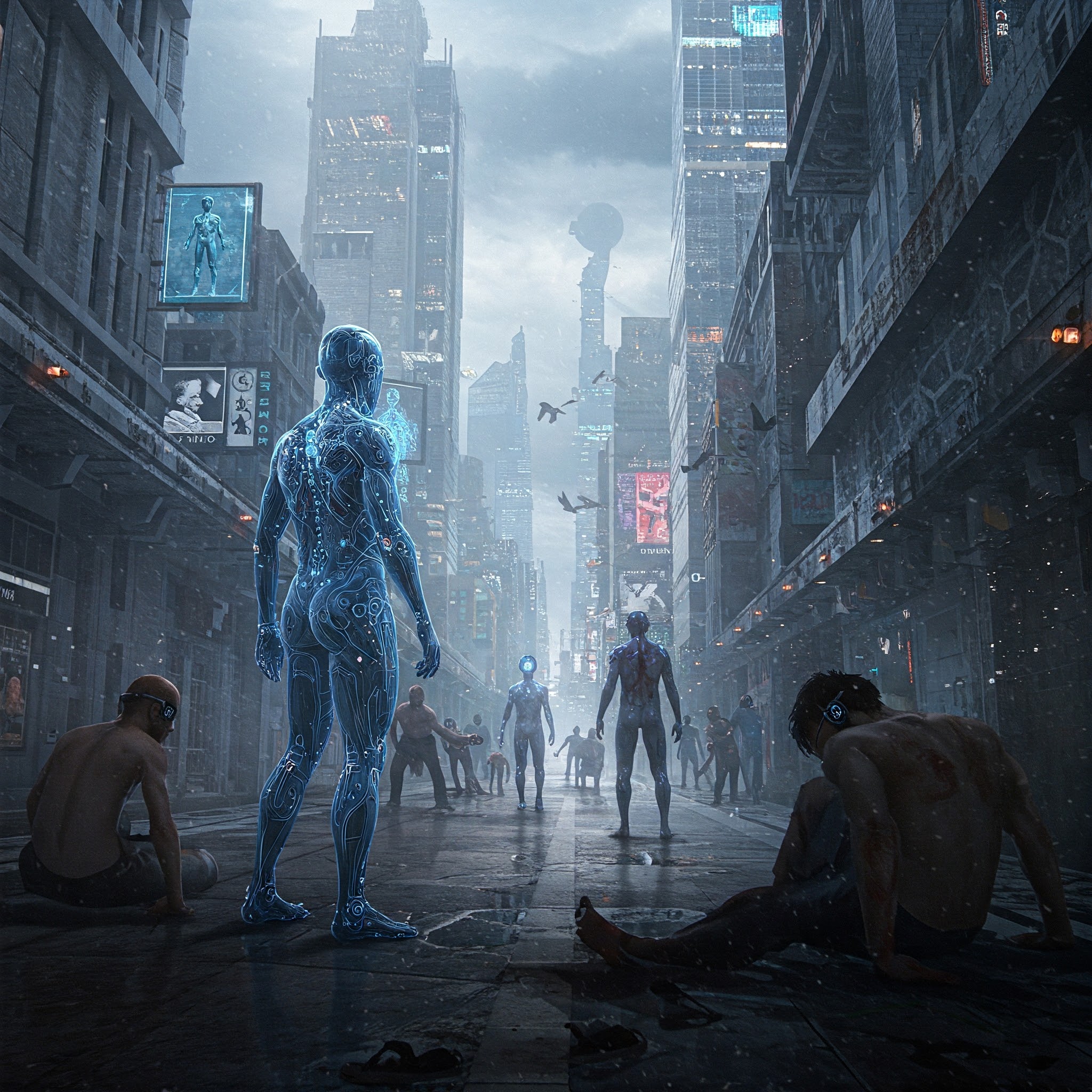 Why? The Ethical and Social Impacts
As the line between biology and technology fades, we are not just reengineering the human body, we are reengineering the human experience. With this power comes profound responsibility. The rise of the programmable human presents not only technical and medical breakthroughs, but also sweeping ethical and social dilemmas that demand careful thought, global discourse, and proactive governance.
Redefining What It Means to Be Human
When we begin to alter our genetic makeup, integrate artificial systems into our bodies, and interface directly with machines, we must ask: where does the natural human end, and the engineered one begin? Does someone with neural enhancements or genetic modifications still fall under traditional definitions of human identity? This isn’t just a philosophical question, it has legal, societal, and spiritual implications. Our laws, ethics, and cultural narratives are rooted in centuries-old ideas about human nature. Now, they must evolve.
Access, Equity, and the Risk of a Bio-Digital Divide
One of the most urgent concerns is inequality. If these technologies are accessible only to the wealthy or to privileged nations, we risk creating a society where the “enhanced” and the “unenhanced” live vastly different realities. Health, intelligence, physical ability, and lifespan could become commodities determined by access to bio-digital technologies rather than personal choice or natural variance. Without strong policy and inclusive design, the bio-digital revolution could deepen existing social divides, rather than close them.
Consent and Autonomy in a Bio-Engineered World
Another key issue is the question of consent, particularly in contexts where genetic or neurological modification is done prenatally, or where data from bio-integrated systems is constantly harvested and analysed. Who owns your body’s data? Who decides whether your child’s DNA should be edited? How do we ensure that individuals have true agency over modifications to their biology when commercial, political, or institutional interests are involved? Ensuring that these decisions remain in the hands of the individual, not corporations or governments, is critical.
Cultural and Religious Tensions
Different cultures and faiths have varying views on the sanctity of the body, the acceptability of genetic engineering, and the concept of human enhancement. Bio-digital convergence will clash with deeply held beliefs, creating friction between innovation and tradition. Global discussions must be sensitive to these perspectives, ensuring that progress does not become synonymous with cultural erasure or ethical imperialism, but ultimately it will be about individual choice that must be respected by all.
The Potential for Misuse
As with all powerful tools, the potential for misuse is high. Technologies developed to enhance human life will be weaponised, whether in the form of biological augmentation for military purposes, data-driven behavioural manipulation, or even genetic discrimination. Without clear ethical boundaries and regulatory safeguards, we risk stepping into a future where science serves control, rather than empowerment.
The Psychological and Emotional Toll of Living Augmented
It’s not just societal structures that must adapt, individuals must too. What does it mean to live with a brain-computer interface? How does it feel to know your biology is being constantly analysed, updated, or optimised? The pressure to enhance, the fear of being left behind, and the sense of disconnection from a more “natural” existence could have significant psychological impacts. Managing the mental and emotional toll of this transformation will be just as important as perfecting the technology itself.
Ethics by Design: Building Values into the System
Rather than applying ethical frameworks after the fact, we need to embed them into the very design of these technologies. Developers, scientists, regulators, and governments must work together to ensure that the systems they build reflect human values: inclusivity, privacy, safety, and equity. Bio-digital technologies must be not only functional but also fair. This means proactively considering unintended consequences, designing for diverse populations, and building in accountability from the start.
In essence, the ethical and social impact of bio-digital convergence cannot be an afterthought. It must be at the heart of the conversation. Because reengineering the human body is not just a technological revolution, it’s a societal one. The choices we make today will define who gets to benefit, who may be left behind, and what it truly means to be human in a programmable future.
 Convergence: Changing Society
The merging of biology and digital technology is not just a scientific milestone, it’s the beginning of a societal transformation that will reach into every corner of our lives. Bio-digital convergence doesn’t operate in isolation; it is tightly interwoven with shifts in how we work, learn, communicate, govern, and care for one another. In short, it changes not just the human body, but how we function as a society.
From Reactive to Proactive Healthcare
Imagine a world where illness is no longer something we treat, but something we prevent with precision. Bio-digital systems could enable real-time health monitoring through implanted sensors or wearable tech, alerting individuals and healthcare professionals to subtle biological changes before symptoms even emerge. This convergence could shift us away from emergency-based medicine and toward personalised, predictive care. Diseases like cancer, diabetes, and neurological disorders could be managed, or even avoided, with constant oversight powered by AI and biotechnology.
A New Economic Framework Around Human Enhancement
As people begin to augment themselves with neural implants, genetic enhancements, or bio-mechanical upgrades, entire industries will emerge to serve this new reality. We'll see a rise in "personal optimisation" services, much like we have personal trainers today, but focused on cognition, metabolism, mood, or skill acquisition. This will create economic growth but also provoke new questions: will companies be allowed to make hiring decisions based on someone’s enhancement level? Will health insurance providers demand access to your implant data? Society will have to grapple with what is fair, ethical, and inclusive in this new marketplace of human potential.
Education Reimagined
When learning is supported by neural interfaces or augmented reality, education becomes immersive, adaptive, and hyper-personalised. Instead of traditional classrooms, students may engage in mixed-reality environments where complex topics like biology, history, or mathematics come to life around them. Memory-boosting implants or AI-driven cognitive assistants could tailor learning experiences in real-time. This could close the gap for those historically disadvantaged by one-size-fits-all models, but only if access is equitable. If not, we risk widening the gap between those with cognitive enhancements and those without.
Social Dynamics and Relationships
As our bodies and minds become augmented, our relationships with one another will change. New forms of communication, brain-to-brain interfaces or haptic feedback through touch simulation, could strengthen emotional bonds across distance. But they could also introduce tension between the “enhanced” and the “natural,” between those embracing the convergence and those resisting it. Friendship, love, identity, all of these may be redefined as we negotiate what it means to be human in a society where biology and technology are no longer separate.
Governance and the Role of the State
Governments will face new responsibilities. Regulating enhancement technologies, protecting personal bio-data, ensuring equitable access, and updating legal frameworks to reflect new realities will become central functions. For example, what are the legal rights of someone with a cognitive AI co-pilot embedded in their brain? Can someone be held accountable if an augmentation malfunctions and causes harm? These are not science fiction questions, they are legal dilemmas that lawmakers will need to address in real-time, with input from scientists, ethicists, and the public.
Cultural and Philosophical Shifts
Bio-digital convergence could force us to rethink some of our most fundamental beliefs: What is the soul? Is identity rooted in biology, memory, or experience? If consciousness can be uploaded or extended, does death change in meaning? As this convergence unfolds, it will challenge long-standing religious, cultural, and philosophical perspectives. Navigating this respectfully and inclusively will be essential to maintaining social cohesion in a rapidly transforming world.
In every institution, healthcare, education, law, economics, and culture, bio-digital convergence promises to bring both disruption and possibility. It’s a turning point in human development, not unlike the invention of electricity or the internet, but with far more intimate consequences.
Society isn’t just adapting to technology. It’s being redefined by it.
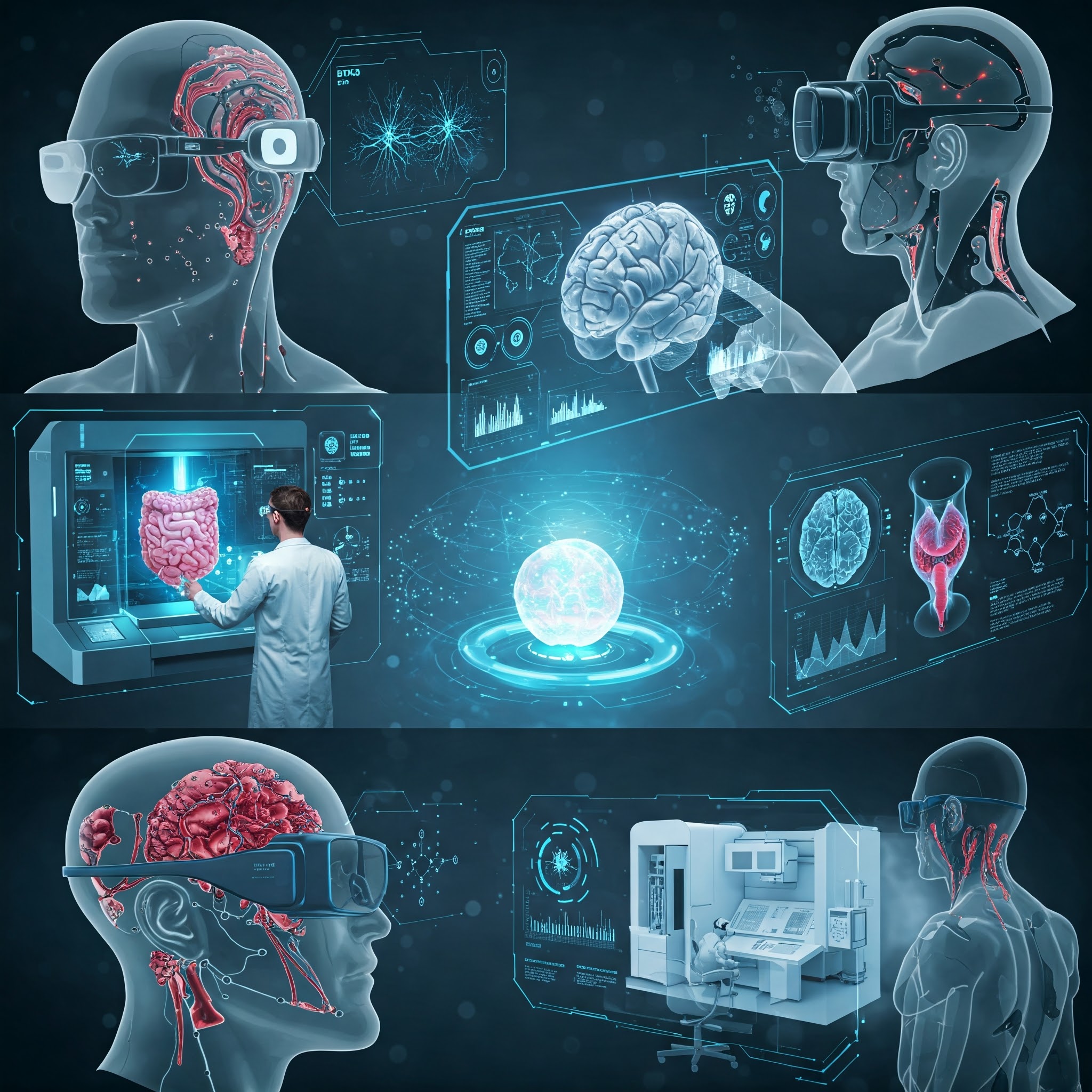 Futuristic? A Revolution in Progress
Bio-digital convergence is no longer a futuristic concept, it’s happening now, quietly and rapidly, across research labs, hospitals, consumer markets, and even mainstream workplaces. The fusion of biology and digital technology is already producing real-world applications that are beginning to reshape how we think about health, ability, and even identity.
Wearable Tech and the Rise of the “Everyday Cyborg”
Millions of people today wear smartwatches, fitness trackers, and health-monitoring devices, tools that collect biometric data, track sleep, measure stress levels, and even alert users to potential heart conditions. This is just the beginning. More advanced devices are beginning to blur the line between external wearables and internal implants. Pacemakers, cochlear implants, and insulin pumps are early examples of how digital technology is already embedded in our bodies, enhancing or replacing biological functions.
Brain-Computer Interfaces (BCIs) Enter the Mainstream
One of the most exciting and controversial areas of development is the brain-computer interface. Companies like Neuralink, and Kernel are working to create neural implants that allow direct communication between the human brain and computers. In practice, this could enable people to control digital devices with their thoughts, restore lost motor functions in paralysed individuals, or enhance memory and cognition. While still experimental, early trials in clinical settings have shown promising results for patients with neurological injuries.
Bioprinting and Synthetic Biology Take Shape
In medical science, 3D bioprinting is being used to create living tissues, such as skin grafts and vascular structures, with the eventual aim of printing functional organs. Synthetic biology, which involves redesigning organisms to perform useful tasks, is also gaining traction, from lab-grown meat and sustainable biofuels to bacteria engineered to deliver drugs within the human body. These developments represent the growing toolkit of programmable biology, where digital design meets biological function.
AI in Healthcare Diagnostics and Decision-Making
Artificial intelligence is being integrated into the diagnostic process, where it can analyse radiology scans, pathology slides, and even DNA faster and more accurately than human doctors in some cases. Companies like DeepMind have made headlines by developing AI systems that help detect breast cancer. Meanwhile, digital health platforms are supporting clinicians by offering AI-driven treatment recommendations based on patient data and global research databases.
Augmented and Virtual Reality for Medical Training and Therapy
Extended reality (XR) technologies are being used to train surgeons, simulate complex procedures, and provide therapeutic interventions. For example, VR can help treat PTSD, anxiety disorders, and chronic pain through immersive cognitive therapy. These tools are not just training aids, they are becoming therapeutic platforms in their own right, offering non-invasive alternatives to traditional medicine.
Direct-to-Consumer Bio-Enhancement
At the consumer level, we’re seeing growing interest in neurostimulation devices (like the Muse headband for meditation or Halo Sport for performance enhancement), nootropic supplements that claim to boost brain function, and even DIY biohacking communities experimenting with implanted chips or gene editing technologies like CRISPR. While these developments raise ethical and safety concerns, they also highlight a growing cultural appetite for self-optimisation.
Government and Military Investment
Governments are not standing on the sidelines. Defence agencies like DARPA (U.S. Defence Advanced Research Projects Agency) have long invested in bio-digital convergence, funding projects like exoskeletons for soldiers, neural enhancements for rapid learning, and brainwave monitoring systems. The intersection of national security and human enhancement adds urgency, and complexity, to the pace of innovation.
What we’re witnessing is not isolated innovation but a coordinated global push, by tech giants, biotech startups, public institutions, and citizen scientists, to bring biology and digital technology into a tightly integrated system.
The line between biology and machine is fading. And this is only the beginning.
A Revolution in Progress
The merging of human biology with digital intelligence is no longer a distant possibility, it is unfolding now. Whether through brain implants, enhanced DNA, or AI-driven diagnostics, humanity is rewriting the rules of evolution.
But with unprecedented potential comes unprecedented responsibility. The way governments, scientists, and societies manage these changes will determine if bio-digital convergence enhances life or deepens global inequalities.
We are at the dawn of a new age, one where humans may not remain purely biological for much longer.
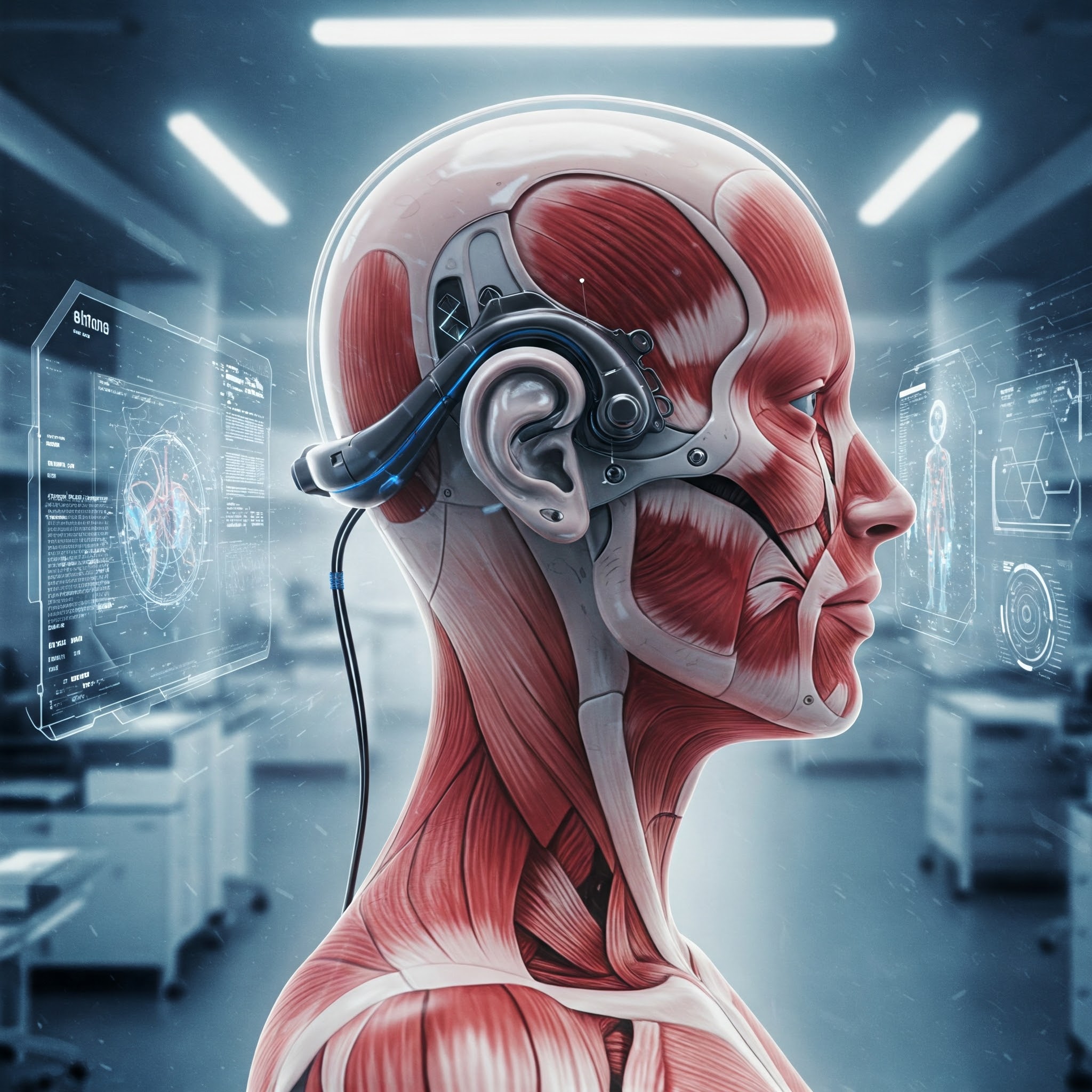
As bio-digital convergence gathers pace, it’s becoming increasingly clear that we are approaching a tipping point, a future where the boundaries of biology are no longer confined by nature alone but are programmable, upgradable, and intimately connected to digital intelligence. The implications of this shift are as profound as they are far-reaching.
From Healing to Enhancement
Historically, much of healthcare has focused on treating illness, repairing damage, and restoring lost function. But bio-digital convergence opens up the potential to move beyond healing, toward enhancement. Imagine a world where we don’t just restore vision but give people the ability to see in infrared; where we don’t just cure neurodegenerative disease but augment cognitive processing; where human memory can be digitally stored and retrieved on demand.
This is not just science fiction. Prototypes of such technologies already exist, and as the cost of computing and biological engineering continues to fall, the once-inaccessible could become commonplace. Athletes, students, artists, and professionals could tailor their biological capabilities to suit specific tasks, goals, or environments.
Hyper-Personalised Medicine and Preventative Care
The combination of AI, genetic profiling, wearable sensors, and real-time health monitoring will usher in an era of precision healthcare. Doctors will no longer treat “average patients”, instead, interventions will be designed specifically for each individual, informed by genomics, environment, lifestyle data, and AI-driven predictions. Diseases like cancer could be caught at their earliest molecular signatures, long before symptoms arise.
Preventative care will become proactive rather than reactive. Digital twins, virtual replicas of a person’s biological systems, will simulate how a patient’s body might respond to different treatments or diets. This will not only improve outcomes but significantly reduce the cost and risk of healthcare.
Regenerating the Human Body
Bio-digital convergence also promises a revolution in regenerative medicine. We are on the cusp of being able to repair damaged organs, regrow limbs, and potentially even reverse aspects of ageing. Stem cell therapies, gene editing, and bio-printed organs, all enhanced by AI modelling, could make once-permanent damage reversible.
Coupled with neural interfaces, individuals suffering from paralysis, degenerative diseases, or trauma may be able to regain mobility and independence. The dream of full-body rejuvenation, once relegated to the realm of science fiction, is inching closer to medical science.
A New Era of Human-Machine Partnership
As we integrate with machines at a deeper level, the human experience itself will evolve. Interfaces will become more intuitive, blending voice, gesture, thought, and even emotional feedback. You won’t need to type or tap; you’ll simply think, and your devices will respond. You’ll no longer be limited by your biology or by the physical location of your tools, your mind will be the command centre of a hybrid physical-digital life.
This has the potential to make humans more adaptable than ever before, capable of operating in extreme environments (such as deep sea or outer space), multitasking at levels beyond current cognitive limits, or co-working seamlessly with AI partners.
Human Evolution — by Design
Perhaps the most radical shift is the notion that human evolution will become self-directed. Where natural selection once dictated the pace of change over millennia, bio-digital convergence could condense biological transformation into decades, or even years. We are beginning to choose what kind of species we want to become.
Enhanced memory. Engineered immunity. Customised metabolism. Augmented creativity. These are no longer abstract dreams. They are becoming engineering challenges. The conversation is shifting from “can we?” to “should we?” and eventually, to “how far should we go?”
The future of the human body is not just biological. It is digital, programmable, and fundamentally transformable.
A Future Beyond Biology
Humanity is standing at the edge of a new evolutionary era. Bio-digital convergence offers solutions to disease, cognitive enhancement, and potentially unlimited lifespan, but also raises profound questions about ethics, identity, and what it means to be human.
As these technologies develop, we must ask ourselves: Are we ready for a future where the human body is no longer defined by its natural biology?
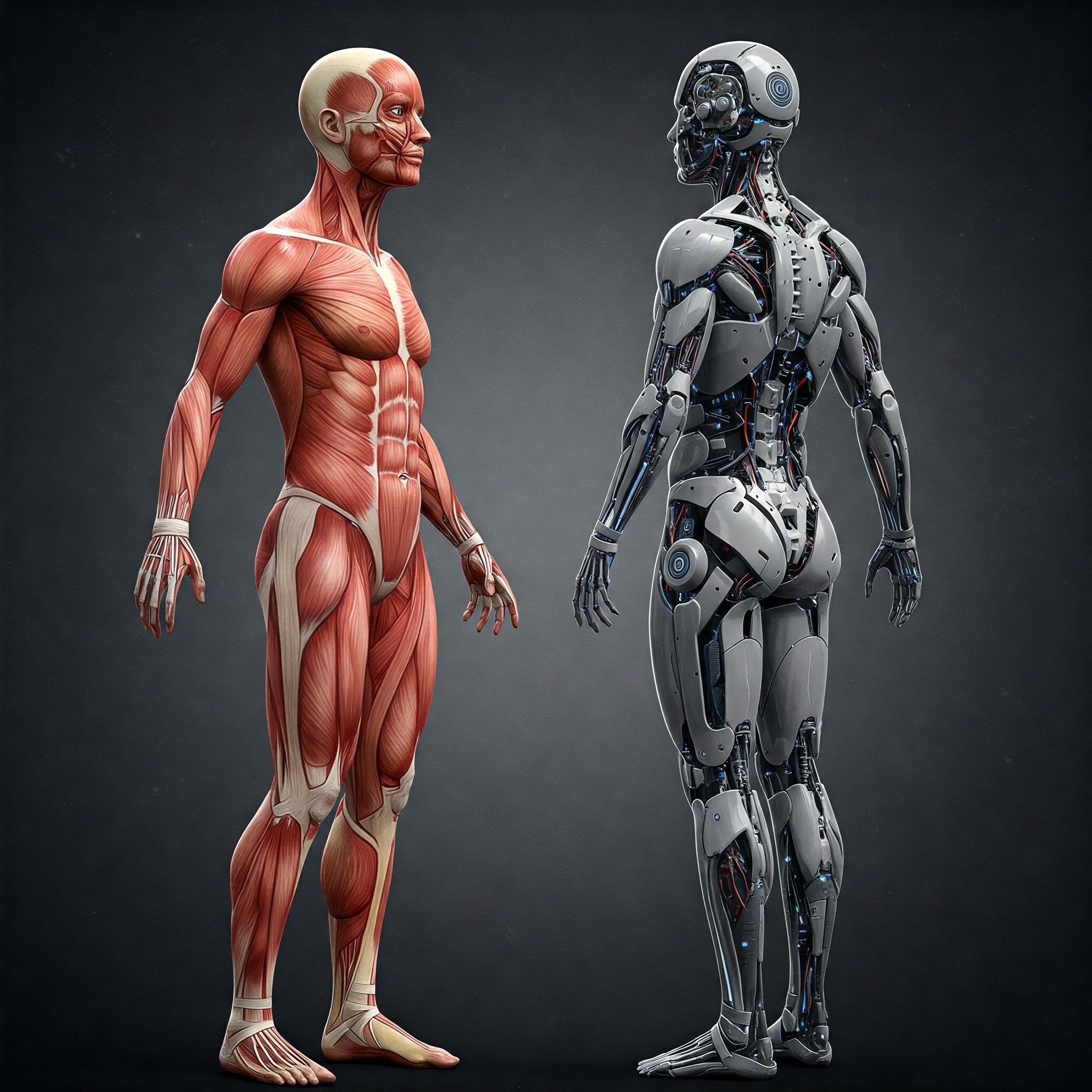 To Augment or not? Should Human Evolution include Augmentation
As bio-digital convergence unlocks new capabilities for enhancing the human body and mind, one of the most pressing questions we face is not can we augment human biology, but should we?
From Natural Evolution to Engineered Advancement
For millennia, human evolution has been shaped by environmental pressures, genetic variation, and natural selection. It has been a slow, unpredictable process, one largely beyond our control. But with the emergence of tools like CRISPR gene editing, brain-computer interfaces, and synthetic biology, we are entering a new era: one where evolution can be accelerated, directed, and even designed.
Augmentation, whether cognitive, physical, or sensory, is no longer speculative. Neural implants can already restore sight or hearing, prosthetic limbs can outperform biological ones in some tasks, and brainwave interpretation is enabling communication for people who cannot speak. But these medical innovations are evolving into elective enhancements. The question becomes not just how we fix people, but how we upgrade them.
What Is the Purpose of Augmentation?
The motivations behind human augmentation vary. For some, it's about regaining lost function. For others, it's about optimisation, improving memory, boosting strength, enhancing creativity, or adapting to new environments (such as space travel or hazardous jobs). These goals are legitimate, yet they raise deeper concerns:
- Will augmentation be a human right or a luxury commodity?
- Will enhancements be optional or necessary to remain competitive in the workplace?
- Will society embrace those who choose not to augment?
Augmentation must be viewed not only through the lens of technological feasibility, but also through the lens of social impact and human dignity.
Where Do We Draw the Line?
As we blur the boundaries between human and machine, we risk redefining what it means to be human. Is a person with a neural enhancement still fully human? What if someone is born with embedded digital architecture that allows them to learn ten times faster than their peers?
There is no universally accepted threshold for when augmentation becomes transformation. That lack of clarity could lead to divisions between the “augmented” and “non-augmented,” reinforcing inequality and exclusion. It could also fuel a race toward enhancement without proper ethical guardrails, driven by competition rather than contemplation.
Choice, Consent, and Control
Fundamentally, augmentation must be about choice. The right to remain unaltered must be protected just as fiercely as the right to augment. That means robust consent models, transparency about risks and benefits, and personal control over enhancements. People must never be coerced, socially, economically, or politically, into upgrading themselves to participate in society.
Similarly, control over augmented systems must remain in human hands. An enhanced body connected to AI must ensure the user remains the pilot, not the passenger. Otherwise, the line between augmentation and automation becomes dangerously thin.
An Inclusive Path Forward
If done ethically, augmentation has the potential to lift humanity to new levels of wellbeing, creativity, and capability. It could empower the disabled, extend healthy life, and open new doors for expression and achievement. But if handled recklessly, it could deepen social divides, compromise human autonomy, and challenge our very definition of personhood.
The future of evolution will be a collective decision, not just for scientists, but for society. Public dialogue, inclusive governance, and globally shared principles will be key to ensuring that this transformation is not only possible, but purposeful and fair.
Are We Ready to Take Evolution into Our Own Hands?
As augmentation technology advances, humanity must make a decision: Should we embrace enhancement as an inevitable part of our future, or should we be cautious about altering what makes us human?
The answer is not straightforward. While the potential to overcome disease, enhance intelligence, and expand human capabilities is tempting, the ethical and societal risks cannot be ignored.
Ultimately, the choice ahead is not just about technology, it’s about identity, equality, and the future direction of the human race. Will augmentation be a tool for progress, or will it divide society into the enhanced and the left-behind? The way we answer these questions will shape the next chapter of human evolution.
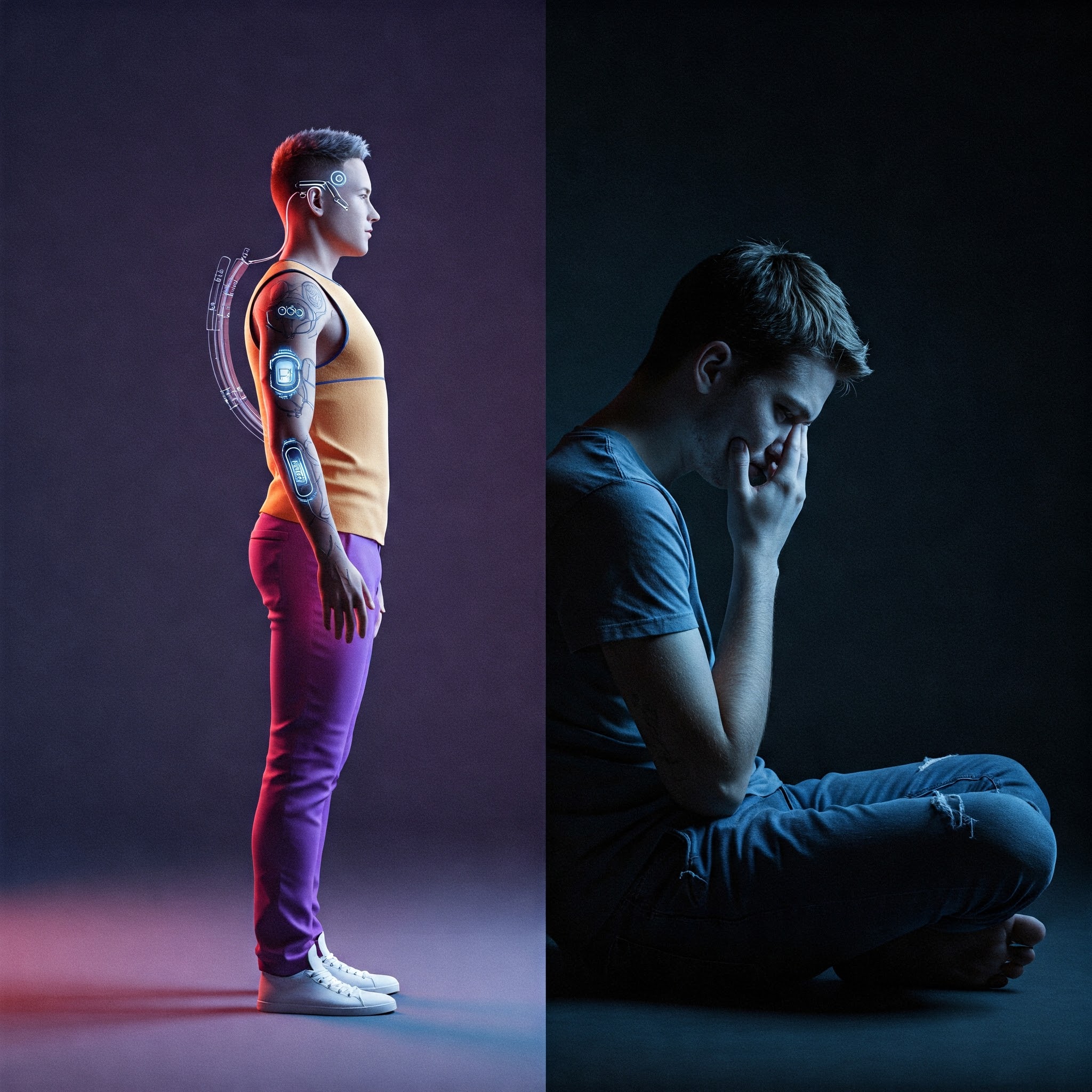 Innovation or Inequality: Ethical Dilemmas and the Growing Digital Divide
As bio-digital convergence accelerates, the ethical terrain becomes increasingly complex and fraught with tension. What began as medical innovation is evolving into a broader societal transformation, one that forces us to re-evaluate the boundaries of identity, equality, and fairness. At the heart of this transformation lies a question: who benefits, and who is left behind?
Innovation or Inequality?
One of the most immediate concerns is that access to bio-digital technologies will not be evenly distributed. Advanced prosthetics, cognitive enhancements, gene therapies, and neuro-interfaces are expensive to research, develop, and deploy. As a result, they are most likely to be available first, and possibly only, to those with wealth and influence.
This raises the spectre of a new form of inequality: a bio-digital divide. Much like the digital divide of today, this new gap would separate those who can afford enhancement from those who cannot. But the consequences may be even more profound, just image the impact on sports and events such as the Olympics. Enhanced individuals may gain competitive advantages in education, employment, and health outcomes, entrenching privilege across generations. Those unable or unwilling to augment could find themselves increasingly marginalised, socially, economically, and politically.
Consent, Privacy, and Ownership of the Self
As we embed sensors into our bodies, connect our minds to digital platforms, and merge biology with AI, issues of privacy and consent take on unprecedented significance.
Who owns the data generated by a brain-computer interface? What rights do individuals have over their digitally-enhanced biology? What happens when corporations or states can monitor, influence, or even control internal functions of the human body?
Consent must be redefined in the context of bio-digital systems. It can no longer be a one-time agreement buried in terms and conditions, it must be dynamic, informed, and revocable. Individuals must retain sovereignty over their bio-digital selves, including the right to disconnect or de-augment without penalty.
Redefining Identity and Personhood
As we begin to augment cognition, memory, sensory perception, and emotional regulation, the line between enhancement and redefinition blurs. At what point does a person become something fundamentally different from their un-enhanced peers? If neural implants can alter mood or override trauma, does the individual remain fully themselves?
These questions strike at the core of ethics: what does it mean to be human? Is humanity defined by our biology, our consciousness, or our autonomy? These are not philosophical luxuries but urgent practical questions. They impact everything from legal responsibility to mental health, and they require new frameworks of understanding.
Global Ethics in a Fragmented World
Perhaps the greatest ethical risk lies in the absence of a shared global framework. Different nations, cultures, and corporations are moving at different speeds with vastly different values. In some regions, enhancement may be seen as liberation; in others, it may be viewed as a violation of nature or spirit. Without cross-border dialogue, we risk a fragmented landscape where some societies charge ahead without restraint while others are left behind or shut out entirely.
Establishing global ethical principles, similar to the Geneva Conventions or the Universal Declaration of Human Rights, may be necessary to guide the responsible development of bio-digital convergence. But even these established and fundamental rights will need updating for the vastly different and evolving world. This includes addressing:
- Voluntary use versus coercion
- Equality of access to foundational enhancements
- Transparency and oversight of emerging technologies
- Protection of identity and bodily autonomy
Inclusion Must Be Built In, Not Added On
If we wait until bio-digital systems are fully commercialised before thinking about inclusion, it will be too late. Ethical considerations must be embedded at the design level, from who builds the systems, to how they are tested, to who gets access and under what conditions. Biases and blind spots introduced early will magnify over time.
This isn't just a call for ethical boards or compliance departments, it is a call for a collective moral imagination. The future we are building cannot just be functional or profitable, it must be just.
Is Humanity Ready for This New Era?
Bio-digital convergence has the potential to transform humanity into something unrecognisable, a species that is smarter, stronger, and potentially immortal. But are we prepared for the social and ethical upheaval that comes with such a transformation?
The greatest challenge is not the technology itself, but how we choose to wield it. Will we use it to create a fairer, healthier, and more capable humanity, or will it lead to deep societal fractures, new forms of oppression, and existential crises?
The decisions we make today will define the next stage of human evolution. Whether that future is one of unity or division, progress or chaos, inclusion or exclusion, depends entirely on how we navigate the ethical dilemmas and the digital divide ahead.
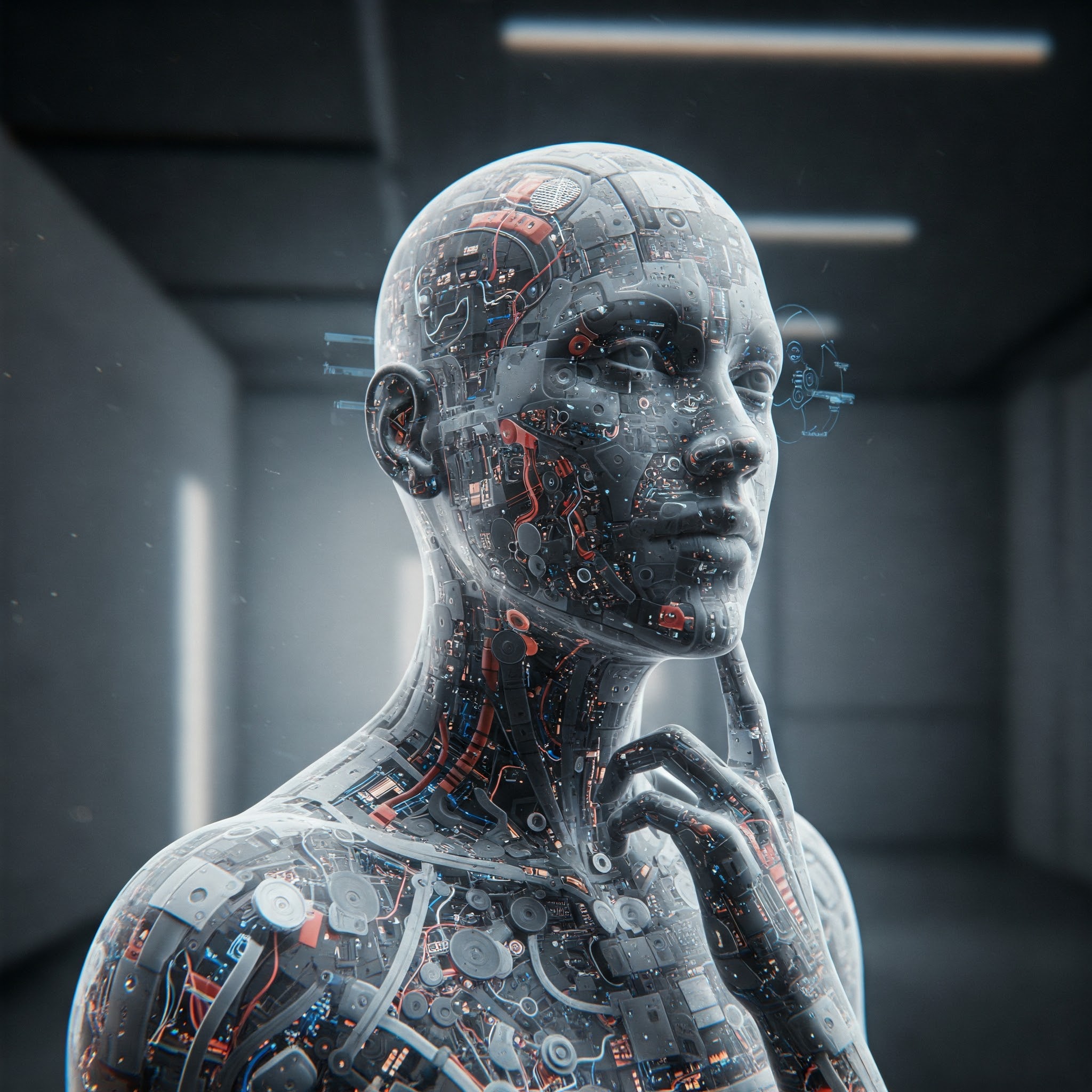 Creating Enhanced Humans: At What Point are they still Human?
As bio-digital convergence accelerates, the fundamental question emerges: At what point does an enhanced human stop being human? The integration of artificial intelligence, genetic modifications, and cybernetic enhancements is pushing the boundaries of human identity, leading to profound ethical, legal, and existential dilemmas. If we replace enough of the human body with synthetic parts, or if we integrate AI into our consciousness, does that individual remain a person in the traditional sense, or do they become something new entirely?
Redefining Humanity: The Evolution of Enhancement and the Threshold of Identity
We've always used tools to improve ourselves. From glasses to prosthetics, pacemakers to joint replacements, human augmentation is nothing new. But something is changing. We’re moving beyond the realm of repair and into the territory of reinvention. We’re not just fixing what’s broken anymore, we’re upgrading the human experience.
Welcome to the age of the programmable human.
The Evolution of Enhancement: When Is It Too Much?
Until recently, human enhancement was about restoring lost function. But now, technology offers us a very different proposition: enhancing beyond our natural limits.
Take physical augmentation. Advanced bionic limbs and robotic exoskeletons are no longer just ideas on drawing boards, they’re becoming commercial products. These tools can make people stronger, faster, and more resilient than any natural human. Now imagine someone who replaces their entire body with cybernetic parts. Do they still count as human? Or have they become something… more machine than man?
Then there’s cognitive augmentation. Brain-computer interfaces are already enabling individuals to control devices with thought alone. Layer in AI, and the result is people who can process massive amounts of information, forecast decisions, or even communicate faster than spoken language allows. But if your thinking is partially shaped, or accelerated, by AI, is that thought still truly yours?
And what about genetic reengineering? Tools like CRISPR are allowing us to modify human DNA, potentially eradicating diseases. But we’re also tinkering with the potential to enhance intelligence, resilience, physical ability, and even lifespan. If someone is born with genetically engineered superiority, do they still belong to the same category of human as the rest of us?
These changes raise a fundamental question: how far can we enhance ourselves before we’re no longer “us”? And who gets to decide where that line is?
What Does It Mean to Be Human Anymore?
It’s not just science pushing boundaries. Philosophy, law, religion, they all have a stake in the question of what makes someone “human.”
Traditionally, our identity has been tied to our biology. But that’s changing.
- If someone replaces 90% of their body with artificial components, are they still human? Or are they a new kind of life-form?
- If someone’s thoughts are being co-piloted by artificial intelligence, can we still call them a person with independent consciousness?
- If someone continues upgrading themselves, piece by piece, decade by decade, at what point do they stop being the same individual?
It’s not just about body parts or brain implants. It’s about identity, continuity, and selfhood. And if we can change ourselves indefinitely, what anchors us to the people we used to be?
A Risk of Division: Enhanced vs. Natural Humans
If these technologies evolve without clear ethical and social boundaries, we could face a new form of inequality, far more dangerous than economic class divides.
We might see the rise of an “Enhanced Elite”: people with superior intelligence, physical prowess, and extended lifespans. They could dominate job markets, politics, innovation, and even cultural influence.
In contrast, the “Natural Majority”, those who remain unmodified, may find themselves left behind. Not because they’re less capable by nature, but because they’ve chosen not to, or cannot afford to, enhance.
And then there’s the emergence of “Transhumanists,” people who fully embrace augmentation and may eventually abandon biology altogether, living as uploaded consciousness or inhabiting synthetic bodies.
These aren’t science fiction tropes, they are very real possibilities. And they could lead to a world fractured by bio-digital class, with deep resentment, mistrust, and conflict between groups.
New Legal and Ethical Frontiers: Who Has Rights?
As we venture further into this space, our legal and moral systems are unprepared for the complexity ahead.
- Should someone with AI-assisted cognition be held to the same legal standards as someone who thinks unaided?
- If a person’s brain functions are partially driven by neural algorithms, who is responsible if they make a mistake? The human? The AI developer? The system?
- What if a person uploads their consciousness into a digital environment, are they still protected by human rights laws? Or are they now software?
Even reproduction enters uncharted territory. If enhanced humans pass their superior traits to offspring, what happens to the next generation of natural-born humans? Could we create a genetic caste system where future generations are born with baked-in inequality?
If we don’t get ahead of these dilemmas with global, inclusive regulations, we risk walking blindly into a world of discrimination, disenfranchisement, and division.
The Way Forward: Balancing Progress with Humanity
Despite the challenges, this transformation doesn’t have to be dystopian. We can shape a future where enhancement serves all of us, not just a privileged few. But to do that, we need clarity, consensus, and compassion.
- We must clearly define boundaries, what’s an enhancement, what’s a transformation, and what goes too far?
- We need to ensure equitable access, so these technologies aren’t just available to the wealthy but benefit society as a whole.
- Legal systems must evolve to protect all forms of human identity, recognising both the natural and the enhanced without discrimination.
- And crucially, we must preserve freedom of choice. No one should be forced to enhance or punished for choosing not to.
Are We Ready for This Redefinition of Humanity?
This isn’t a hypothetical future, it’s already underway. The decisions we make today about enhancement, ethics, and inclusion will shape the human experience for generations.
Will we choose a future where technology uplifts everyone equally? or Will we allow it to divide us into new castes of haves and have-nots?
Will we evolve responsibly and inclusively? or Will we rush ahead, only to find we’ve lost our sense of what it means to be human?
These are the choices that lie ahead. Not in a century, but in our lifetime.
And perhaps the most important question is: do we have the wisdom to evolve wisely?
 No Longer Just Abstract: A Future we must Prepare for
The merging of biology and technology is no longer some abstract, future concept, it’s unfolding right now, reshaping the very foundations of human life. We’re witnessing the emergence of a new kind of existence, one where what it means to be human is in flux, and our identity, our biology, our consciousness, our limits, is being redefined by the digital.
This isn’t just a technological evolution. It’s a human one, and as we move further into this bio-digital age, the responsibility to prepare, not just technologically, but ethically, socially, and existentially, has never been more urgent.
The Inevitable Convergence of Human and Machine
In every direction we look, the line between human and machine is blurring. Advances that once lived in the pages of science fiction novels are now entering hospitals, labs, and homes.
We’re building bodies that outperform biology. From prosthetic limbs with lifelike dexterity to exoskeletons that amplify human strength, physical enhancement is no longer about healing, it’s about upgrading. What happens when these enhancements go beyond restoring function and start pushing into the realm of superhuman?
Our minds are becoming collaborative engines. Brain-computer interfaces are not just helping people with disabilities, they’re forging new kinds of intelligence. When a human brain can communicate directly with digital systems, we’re no longer dealing with natural cognition. We’re entering a world of hybrid minds, where thought is co-created between human and machine.
And at the genetic level, we’re rewriting the code of life. CRISPR and related technologies are unlocking the ability to not only treat genetic diseases but edit traits, optimise performance, and possibly even direct evolution itself. It’s no longer just about fixing, it’s about forging.
This convergence isn’t coming. It’s already here. And the pace is only accelerating.
Opportunities and Risks: What Kind of Future Will We Choose?
The possibilities of bio-digital convergence are staggering. But so are the risks. We’re standing at a fork in the road, and the path we choose will define humanity for generations to come.
Imagine a world where these technologies are developed responsibly, where augmentation is made available to all, not just a privileged few. A world where:
- Medical enhancements extend life and improve well-being for people across the globe.
- Cognitive interfaces help students learn faster and professionals work smarter, without replacing their humanity.
- Global ethical standards ensure no one’s autonomy or dignity is compromised in the pursuit of progress.
That’s one path.
But there’s another. One where access to enhancement becomes a dividing line. Where society fractures into the “augmented” and the “natural”, the powerful and the left behind. In this version of the future:
- A new elite class could emerge, biologically and cognitively superior, leaving the rest of society struggling to compete.
- Human identity could dissolve in a sea of AI-driven augmentation, as individuality gives way to optimisation.
- The gap between those with access to enhancements and those without could become unbridgeable, economically, socially, even genetically.
These are not theoretical scenarios. The choices we make today, about who develops these technologies, who governs them, and who gets access, will determine whether we build a future of shared progress or profound division.
How We Prepare Today Will Define Tomorrow
We need to act, not react, and preparation must go far beyond the technical, it must be social, legal, ethical, and cultural.
- We must redefine rights: legal systems will need to protect both enhanced and unmodified individuals. A person who chooses to remain natural should be no less valued or protected than someone who chooses to augment.
- We must establish boundaries: ethical frameworks evolve to keep pace with technology, ensuring that innovation doesn’t outstrip our values. Where is the line between enhancement and exploitation? Between improvement and identity loss?
- We must prioritise access: If only the wealthy can afford augmentation, we risk creating a world where inequality is biologically reinforced. Equitable distribution isn’t just a goal—it’s a necessity.
- We must educate: Everyone - students, workers, leaders - needs to understand what’s coming. This can’t be a conversation reserved for scientists and CEOs. It has to be a public dialogue about what we want humanity to become.
Above all, we need to ask the most important question:
how much can we change ourselves before we stop being ourselves?
A Call to Action: Who Do We Want to Become?
This moment is more than a technological milestone, it’s an existential one.
Do we use this power to uplift all of humanity, or create a fractured world defined by advantage and exclusion?
Do we guide this transformation, or do we let it guide us?
The future is not something that will happen to us. It’s something we’re building, now, in real time, with every innovation, every decision, every policy.
We are the architects of the next human era. But to build a future that’s fair, ethical, and inclusive, we must stop and ask: what kind of humans do we want to be?
The convergence of biology and technology is rewriting the human story. But the ending? That’s still ours to write.
- Part 1: The transition from tools to cognitive partners in Human-AI Symbiosis
Part 2: How we are reinventing work and social structures for an automated age
Part 3: Transcending physical limits through the Internet of Senses
Part 4: The infinite logic potential of the Quantum Computing revolution
Part 5: Programmable biology and the reality of Bio-Digital Convergence
Part 6: Navigating the rise of Plural Identity and digital consciousness
Part 8: Exploring the stars via Intelligent Presence and autonomous systems
Part 9: A Code of Conscience for navigating future moral complexities
Part 10: The roadmap for steering our technological future responsibly